Ever felt like your social media feed is filled with things to buy? The next must-have skincare, another new drop from your favourite clothing brand, a new celebrity collab that’s selling out fast. Rather than being more influenced, you might need to be deinfluenced.
Deinfluencing is a trend that emerged on social media in early 2023. Originally gaining traction on TikTok, the premise is that the creator, rather than influencing you to buy things, influences you not to. Refreshing, right?
So what does deinfluencing mean for your finances, and can it help you on your personal finance journey?
At its core, the deinfluencing trend brings a much-needed shift away from consumption culture. For years, social media has been dominated by shopping, hauls, influencer marketing and a rapidly escalating see-click-buy cycle of advertising. With deinfluencing taking hold, social media users are being encouraged to question viral products, over-hyped trends and FOMO-fuelled spending decisions.
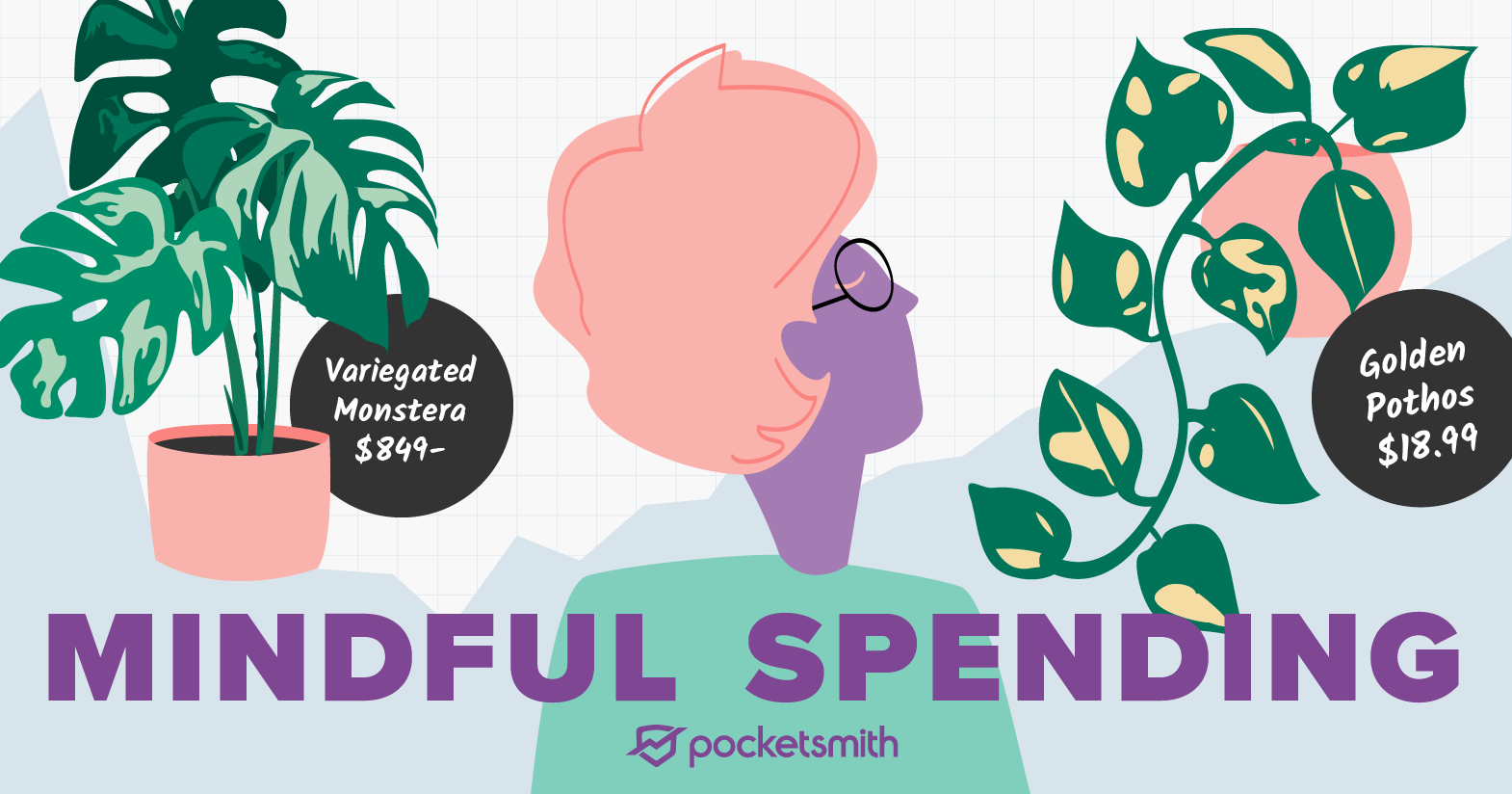
Deinfluencing isn’t just about telling you what not to buy. While some deinfluencers focus on debunking popular products or offering cheaper alternatives, others deinfluence through a much more behavioural lens. Popular styles include mindful spending diaries, showcasing things they’ve wanted but not bought, and reminding people that clothing hauls and designer labels aren’t “normal”.
Following creators who embrace the deinfluencing trend can help you learn to reclaim your spending decisions and rely less on being told what’s cool and what you should want next.
While deinfluencing content can be a helpful source of inspiration and offer welcome relief from your consumption-filled feed, what we really need to be doing is deinfluencing ourselves.
Sure, influencers play a role in making us want things, but we’ve also become automatic consumers in our own right. Even if something isn’t an advert, we still find ourselves asking, “Where can I get that?”
Understanding why we spend money, what our triggers are, and deconditioning ourselves from the habitual spending cycle that social media created is where the real change can happen. To start, ask yourself the following questions:
The answers to these questions will give you a deeper understanding of the psychological and emotional context of your spending behaviour, and help you identify where you might be being influenced. Often, the things we’re influenced to purchase come down to the fact that we’re trying to buy into a fantasy lifestyle or image, or that we’re in a cycle of dopamine spending after a bad day at work.
Putting obstacles between you and the checkout can help curb unhelpful spending and help you gradually step back from social media-fuelled consumption.
Ultimately, deinfluencing signals a new era on social media, one where mindful purchasing is cooler than impulse spending. Keeping track of your spending is helpful when making changes to how you shop, and PocketSmith is the perfect way to keep an eye on where your money is going without the need for a hectic spreadsheet.
If you’re ready to ditch impulsive social media spending and enter a new personal finance era, take the quiz to find the perfect money management style for you.

Emma Edwards is a finance copywriter and blogger, on a mission to humanize the financial services industry by creating meaningful content that’s accessible and empowering. You’ll find her penning money tips at her blog, The Broke Generation, sharing financial insights on Instagram, or injecting life into content for her business clients.